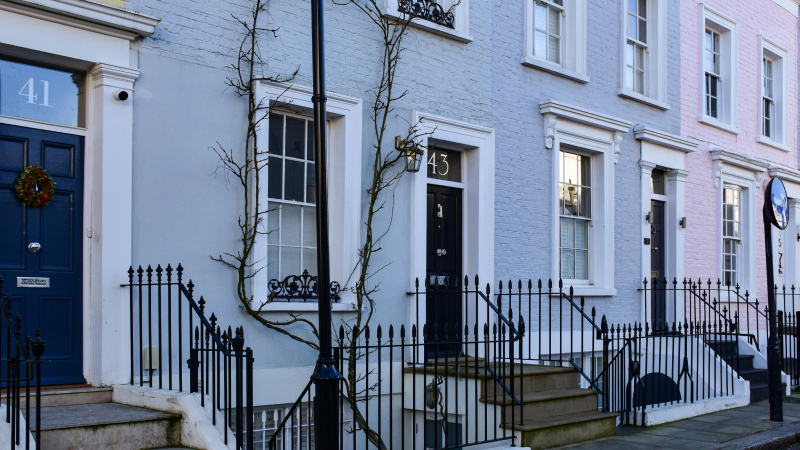
Property been on the market too long? Before you cut the price, read this. A step-by-step guide to refreshing a stale listing and reducing days on market, without the most expensive lever in your toolkit.
There's a moment every agent recognises. The listing that started with confidence, good property, fair price, decent location, has quietly become a problem. The phone has gone quiet. The seller is calling more frequently. And the question everyone's circling but nobody wants to say out loud is: what's actually wrong with it?
The instinct, almost universally, is to reduce the price. It's the obvious lever. It's the one sellers understand. And sometimes it's the right call. But in most cases of a stale listing, the price isn't the problem, the presentation is. And a presentation problem is significantly cheaper to fix than a price reduction.
This guide walks through how to diagnose a listing that's stopped working, what to do about it in order of impact, and how to have the conversation with a seller who's already frustrated. Because knowing what to do is one thing. Getting the seller onboard is another.
How a Listing Goes Stale
It's Not the Property. It's the Perception.
The mechanics of a stale listing are worth understanding, because they're not random, they follow a predictable loop that gets harder to break the longer it runs.
On Rightmove and Zoopla, newer listings surface first. It's not just about buyer preference; the portals themselves algorithmically favour recency. A listing that launched eight weeks ago is competing against properties that went live yesterday, and losing that competition on visibility alone, before a single buyer has even made a judgement about the property itself.
Then buyer psychology kicks in. High days on market triggers a question buyers rarely ask consciously but almost always act on: what's wrong with it? Properties that have been available a long time carry an implied stigma. If no one else has wanted it, why should I? Fewer viewings follow. Fewer viewings mean fewer offers. More days on market accumulate. The loop tightens.
The UK market has a rough psychological threshold of around six to eight weeks. Cross it without going under offer and a listing enters a different category in the buyer's mind, not "just arrived" but "been around a while." The question shifts from "is this the right one?" to "is there something they're not telling me?"
What actually causes a listing to reach this point usually falls into one of four categories: poor first impression (lead photo, image quality, visual presentation), wrong price positioning at launch, a description that's feature-led rather than outcome-led, or bad timing that compounded everything else. Often it's a combination. Rarely is it just one thing.
The complicating factor is the seller relationship. By the time a listing has stalled, the dynamic between agent and seller is already under strain. The seller wants action. They've watched the listing gather days on market and they want something to happen. Dropping the price feels decisive. But a price drop on the same tired photos, the same weak description, the same listing buyers have already scrolled past, that's not a refresh. That's just cheaper.
The Diagnosis: Audit Your Listing Before You Touch It
Before You Change Anything, Figure Out What's Actually Broken
The single biggest mistake when dealing with a stale listing is acting before diagnosing. Agents relist without changing anything substantive, reduce the price without fixing the presentation, or reshoot without understanding why the original photos didn't work. The result is activity that feels decisive but doesn't change how buyers experience the listing.
A structured audit takes twenty minutes and tells you what's actually broken. Run through these before touching anything:
Photos: Is the lead image genuinely strong, bright, spacious, emotionally engaging? Or is it just the default exterior shot taken on an overcast morning with a car in the drive? Do the interior photos show the rooms at their best, or are there obvious problems, dark lighting, cluttered surfaces, awkward angles that make rooms look smaller than they are? And do the photos tell a coherent story, or do they feel like a random selection of rooms in no particular order?
Description: Does it open with a feature or an outcome? "Three-bedroom semi-detached with south-facing garden" is a spec. "The kind of home you stop looking once you've seen it" is an invitation. Feature-led descriptions front-load information that buyers haven't yet decided they care about. Outcome-led descriptions make them care first.
Pricing: Was the property overpriced at launch? Even after a correction, the stigma of high days on market at the original price lingers. This is worth being honest about in the audit, if the price was wrong, fixing the photos won't fully solve the problem, and vice versa.
Portal data: Most agents have access to listing performance data, views, saves, and sometimes click-through rate on the lead image. High views with low saves suggests the thumbnail is working but the photos or description aren't converting. Low views entirely suggests a visibility problem, the listing needs a relist to reset its position in search results. These tell very different stories and require different responses.
The central diagnostic question is this: is this a price problem, a presentation problem, or both?
Most agents skip the question and reach for the price lever. Presentation problems are faster to diagnose, cheaper to fix, and show results without the margin hit of a reduction. Start there.
The Refresh Playbook
What to Actually Do, In Order of Impact
Once the audit is complete, here's how to approach the refresh, prioritised by impact, not by effort.
1. Fix the photos first
The photos are almost always the highest-leverage intervention. If a reshoot is possible: do it differently. Different time of day for better light, rooms properly cleared beforehand, a brief to the photographer that explains exactly what you need. For empty or sparsely furnished properties, virtual staging shows buyers the potential of the space rather than leaving them to imagine it from bare walls and bare floors.
If a reshoot isn't possible, the seller is reluctant, the property is tenanted, the budget doesn't stretch, AI-powered virtual staging can do significant work with the photos that already exist. With a tool like VirtualStagingExpert, results come back in minutes, not days, and the visual difference is striking enough to meaningfully change how buyers engage with the listing.
Clutter can be removed digitally. Light can be corrected. Grey skies can be replaced with something that doesn't make the exterior look like a Tuesday in November. A vacant room can be furnished to show what life there could look like. For a typical instruction, staging two or three key rooms, usually the living room, kitchen, and master bedroom, around three to four photos, is enough to transform the listing's first impression without a full reshoot.
None of this replaces a well-shot photo taken in ideal conditions. But for a listing that's already live and already stale, it's a practical, fast way to materially change what buyers see.
At minimum, fix the lead image. That thumbnail is your advertisement. It's the one thing buyers see before they've decided whether to click. Everything else, the description, the floorplan, the price, only matters if the lead image earns the click first.
2. Relist to reset the clock
On Rightmove and Zoopla, relisting a property resets its listed date and returns it to the top of search results. This is one of the most underused levers available to agents dealing with stale listings. A listing that's been languishing at the bottom of page three suddenly appears at the top of page one to buyers who may have already dismissed it, and if the photos and description have been refreshed, they're seeing a genuinely different proposition.
The mechanics vary between portals. Some require a withdrawal and relist with a waiting period after withdrawal. Some allow a significant amendment to trigger a reset. The key is to make the relist meaningful: if you're asking buyers to look again, give them a reason to. New photos, a rewritten description, a fresh lead image. Not a cosmetic tweak designed to game the algorithm, that achieves nothing except burning the reset on a listing that still won't convert.
3. Rewrite the description
Most property descriptions are written quickly under pressure and never revisited. The refresh is the opportunity to do it properly. Lead with who the property is for and what life looks like there. Move the spec to the second half where it belongs, buyers who are already interested will read the bedroom count; buyers who aren't won't be converted by it.
The audit often reveals a selling point that was buried or missed entirely. A garden that photographs well but was undersold in the copy. A recently renovated kitchen that was mentioned in passing. A location detail, school catchment, commute time, local high street, that wasn't given its due. The refresh is a chance to lead with whatever the listing's strongest card actually is.
4. Reconsider the price, but last
If the audit reveals a genuine pricing problem, it needs to be addressed. But the sequence matters. A price reduction on a visually transformed, freshly relisted property sends a different signal than a price reduction on the same exhausted listing. The first says: motivated seller, well-presented property, now at the right price. The second says: nothing has changed and they're desperate.
If you're reducing the price, pair it with the refresh. Do both together so the relist carries as much weight as possible.
5. Use the promotional levers you haven't pulled
Rightmove Featured Property and Spotlight placements significantly increase visibility for listings that have lost organic momentum. Many agents save these for new instructions rather than using them strategically on stale ones, where the visibility boost is arguably more valuable.
Email your applicant database for comparable properties. Promote the refreshed listing on social. These aren't dramatic interventions, but combined with new photos and a relist, they amplify the reset.
Having the Conversation With Your Seller
How to Pitch a Listing Refresh Without Losing Their Confidence
The hardest part of refreshing a stale listing isn't knowing what to do. It's getting the seller on board with doing it.
By the time a listing has stalled, sellers are usually in one of two emotional states: frustrated that nothing has happened, or resigned to the fact that the property just isn't moving. Either way, the relationship is under pressure. The conversation about a refresh needs to be handled carefully.
Lead with the diagnosis, not the solution. Show the seller what the audit found. Walk them through the portal data, views, saves, click-through on the lead image if you have it. Show them comparable listings that are moving and what they look like. The goal is to shift the conversation from "the market is slow" or "we need to drop the price" to "here's specifically what buyers are seeing and here's exactly what we're going to change."
Frame the refresh as an alternative to a price reduction, not an addition to one. Sellers understand the cost of a price drop, it comes directly out of their pocket. A presentation refresh costs a fraction of that and often achieves the same result in terms of renewed enquiry.
Positioned correctly, it's an easy yes: try this first, and if it doesn't move the needle within two weeks, we revisit the price.
One particularly effective technique is showing the seller a virtually staged version of their property before committing to any costs or changes. With VirtualStagingExpert, you can have results back in minutes, clutter removed, rooms furnished, a grey exterior sky replaced with something that actually flatters the property. Seeing the transformation tends to get buy-in faster than describing it. It makes the abstract concrete and gives the seller something to feel good about, rather than a conversation that's only ever been about what went wrong.
Prevention: How to Avoid a Stale Listing in the First Place
The Best Time to Refresh a Listing Is Before It Goes Live
Everything above applies to a listing that's already stalled. But the better version of this problem is not having it in the first place.
The first two weeks of a listing's life carry disproportionate weight, algorithmically on the portals, and psychologically with buyers. A listing that launches well, generates early viewings, and creates a sense of competition moves faster and closer to asking price than one that drifts through the first fortnight without traction. The difference is almost always the quality of the launch, not the quality of the property.
Launch well or suffer later. That means photos sorted before go-live, not placeholder shots while you wait for better ones. The clock starts the moment the listing goes live. Every day at the top of search results with weak photos is a missed opportunity you can't get back.
It means a description that's been written with intention rather than templated from the last instruction. It means a price that's been honestly benchmarked against comparable solds, not set optimistically and corrected later when the stigma is already building.
For vacant properties, new builds, empty investor properties, or freshly inherited homes, virtual staging should be standard at launch, not a last resort when the listing stalls. Staging two or three rooms typically means around three to four photos, and it transforms the listing from an empty box buyers have to imagine into a home they can actually see themselves in. An empty room asks buyers to imagine. A virtually staged room shows them. The difference in how buyers engage is significant, and the cost is a fraction of the days on market you'll accumulate if a vacant listing underperforms.
Build a review trigger into your process: if a listing hasn't generated a minimum number of viewings in its first ten days, audit it before it crosses the stigma threshold. A small intervention early is worth far more than a full refresh after eight weeks of accumulated days on market.
Conclusion
Don't Drop the Price. Refresh the Listing.
A stale listing is almost always a presentation problem before it's a price problem. The buyer who scrolled past in week two didn't do so because the property was overpriced, they did so because the lead image didn't earn the click, the interior photos didn't make the rooms feel worth viewing, or the description didn't give them a reason to care.
The cost comparison is straightforward. Virtually staging two or three key rooms, correcting the photos, relisting with a rewritten description, that costs a fraction of a £5,000 or £10,000 price reduction. And it often achieves the same outcome: renewed enquiry, fresh viewings, an offer, without the seller taking a hit on their sale price.
Buyers decide faster than ever. They're on their phones, scrolling at pace, making snap judgements about properties they've never stood in. Presentation is the product now. The property itself is the prize at the end of a process that starts with a thumbnail and a first impression.
Before the next price reduction conversation, run the audit. Fix what's fixable. Relist with intention. More often than not, the listing doesn't need to be cheaper. It needs to look like it's worth what it costs.
Dealing with a listing that's lost momentum? VirtualStagingExpert.com helps UK agents remove clutter, virtually stage empty rooms, and refresh listing visuals, results in minutes, without organising a reshoot.
FAQ
How long before a property listing is considered stale?
In the UK, most buyers and agents treat six to eight weeks on market without an offer as the point where a listing starts to carry stigma. Rightmove and Zoopla also reduce algorithmic visibility over time, so the longer a listing sits, the less organic exposure it receives. If a property hasn't generated meaningful viewing activity within two to three weeks, it's worth auditing before the window closes.
Does relisting a property reset days on market on Rightmove?
Yes, withdrawing and relisting a property resets the listed date on Rightmove and returns it to the top of relevant search results. The reset only works if the listing has been materially improved, relisting without changing anything substantive burns the opportunity without changing buyer perception.
Can I relist the same property with new photos?
Yes, and in most cases of a stale listing, new or improved photos should accompany any relist. The goal is to give buyers who've already seen the listing a reason to look again, new photos, a rewritten description, and a refreshed lead image are the most effective way to do that.
Is it better to reduce the price or refresh the listing?
In most cases, try the refresh first. A price reduction on a listing with poor presentation sends a signal of desperation rather than value. A refreshed listing, better photos, stronger lead image, rewritten description, often generates the enquiries a price drop was meant to achieve, without the seller taking a hit on their sale price.