
Understanding Home Staging in Modern Real Estate
Home staging is more than just fluffing pillows and setting out a bowl of lemons, it’s a strategic marketing tool designed to help a property appeal to the broadest pool of buyers. A 2023 report shows that most buyers’ first impression happens online, not at an open house. This means that staging isn’t just about making the home look nice in person; it’s about creating images that inspire a buyer to take the next step.
The psychology behind staging is rooted in one simple truth: buyers aren’t just purchasing four walls and a roof. They’re buying into a lifestyle. When a property is staged effectively, buyers can more easily imagine themselves living there, which has a measurable impact on both selling speed and final price. A 2021 NAR report show that 22% of sellers’ agents stated that there were decreases in the time on the market when the home is staged, and 23% of sellers’ agents reported a 1-5% increase in dollar value offered by buyers, in comparison to similar homes.
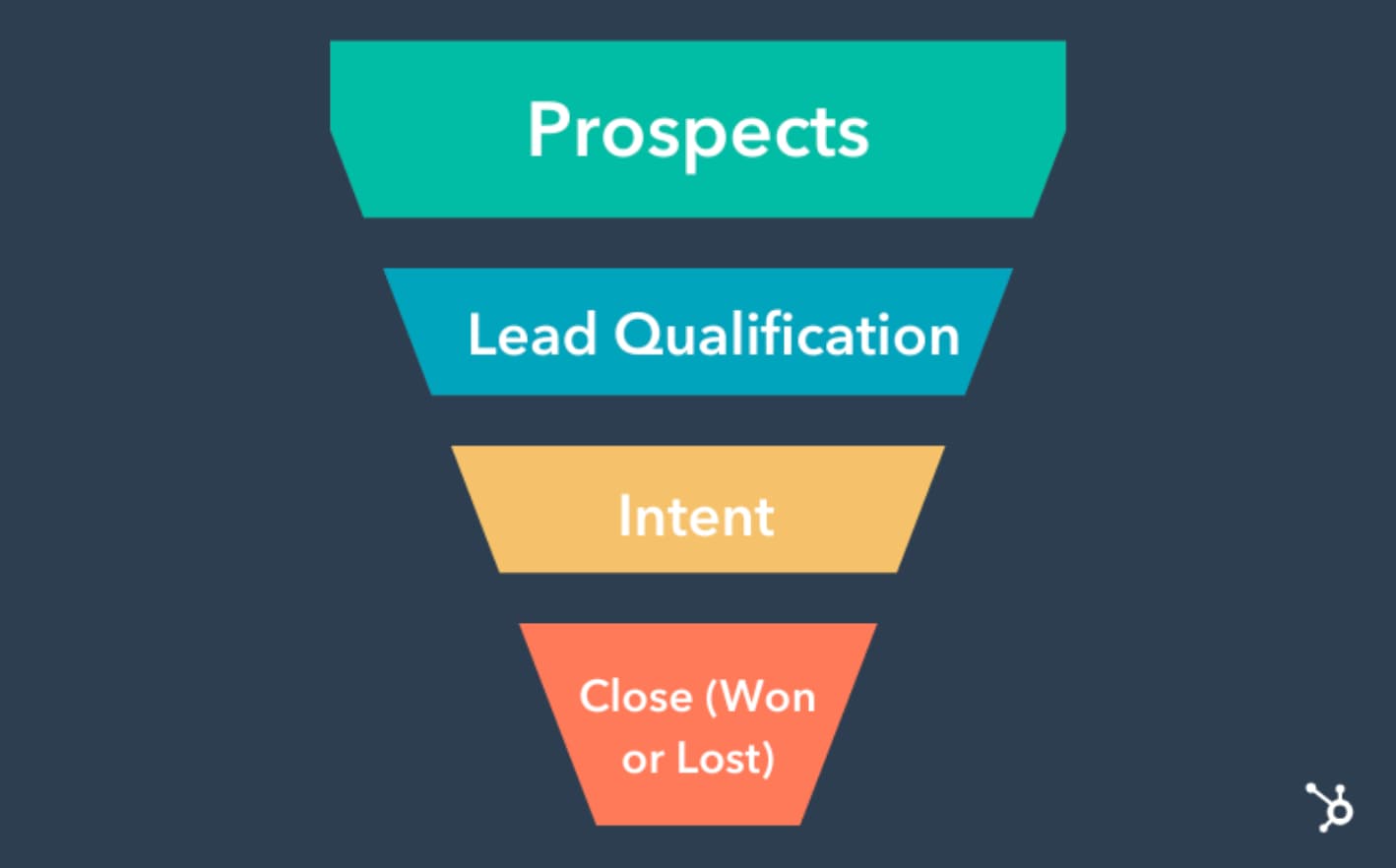
Virtual Staging as the Top-of-Funnel Strategy
In marketing terms, the top of the funnel is where you attract the largest number of prospects, people who may not yet be ready to schedule a showing, but who are actively browsing listings. The goal here is to stop the scroll, spark curiosity, and earn a click. Virtual staging excels in this stage of the sales funnel because it combines speed, cost-effectiveness, and visual appeal in a way traditional staging can’t match.
Unlike physical staging, which can take days or even weeks to coordinate, virtual staging can transform listing photos within 24-48 hours. This means your property can go live with stunning visuals while interest in comparable listings is still fresh. In a fast-moving market, those extra days matter, not just for securing offers, but for ensuring your listing ranks well in online search results thanks to early engagement.
Cost plays a huge role in top-of-funnel marketing, too. Since virtual staging costs a fraction of traditional methods, sellers and agents can allocate more of their budget toward other high-visibility tactics like targeted social media ads, premium listing placement, and boosted posts. This amplifies the reach of the staged images, putting them in front of a larger and more qualified audience without breaking the bank.
There’s also a psychological advantage at play. Buyers are far more likely to click on a listing that looks “move-in ready” compared to one that appears empty or dated. Professionally staged images, even digitally created ones, trigger an emotional connection, encouraging potential buyers to envision themselves in the space. Once that connection forms, they’re more inclined to progress deeper into the sales funnel, whether that means requesting a showing, contacting the agent, or saving the listing for later review.
For real estate agents, virtual staging also allows for A/B testing different styles and layouts to see which images generate the most clicks and inquiries. This data-driven approach can fine-tune future marketing efforts, making every dollar of advertising spend more effective.
In short, virtual staging acts like a visual magnet at the very start of the buyer journey. By making the property stand out from day one, it not only drives more traffic to your listing but also increases the odds that those early impressions will convert into serious buyer interest later in the funnel.
Traditional Staging vs Virtual Staging: Key Differences
Traditional staging involves physically furnishing and decorating a property with rented or owned pieces. While it creates an authentic, in-person experience, it can also be time-consuming, expensive, and logistically complex. A single room’s staging cost can run into hundreds of dollars, and full-home staging can quickly climb into the thousands, not to mention the hassle of moving furniture in and out.
Virtual staging, on the other hand, uses advanced digital rendering to place realistic furniture, decor, and lighting into high-resolution photographs of empty rooms. This approach eliminates the need to rent, transport, and store physical furnishings. It’s fast, often completed within minutes and dramatically more cost-effective, with pricing starting at a fraction of traditional staging rates.
When comparing ROI, virtual staging often delivers a higher return because of its scalability. One set of photos can be digitally staged in multiple design styles to appeal to different buyer demographics, something that would be financially impractical with physical staging.
The Benefits of Virtual Staging for Sellers and Agents
Virtual staging offers a level of flexibility traditional staging simply can’t match. For online listings, where over 90% of buyers begin their search, a well-staged image can be the difference between a quick sale and a property that lingers on the market.
One of the biggest advantages is the ability to showcase multiple versions of a single space. For example, a downtown condo can be staged with sleek, modern furniture for young professionals, and with a cozy, classic look for downsizing retirees. Both sets of images can be used in targeted marketing campaigns to reach different buyer groups.
Speed is another selling point. In real estate, timing is everything, and delays in listing can mean missing the prime selling window. With virtual staging, you can have professional images ready in days rather than weeks.
Common Misconceptions About Virtual Staging
Some sellers worry that virtual staging might mislead buyers. The reality is, as long as there’s full transparency, by labeling photos as “virtually staged”, buyers appreciate the enhanced visuals. In fact, many buyers find it helpful to see both the empty room and the staged version, as it helps them better understand the space’s potential.
Others believe virtual staging can’t compete with the “real feel” of in-person staging. While that may be true for certain high-end luxury properties where a live experience is part of the sale, most buyers are making their decision to visit based on photos alone. This means virtual staging more than fulfills its role as a lead-generation tool.