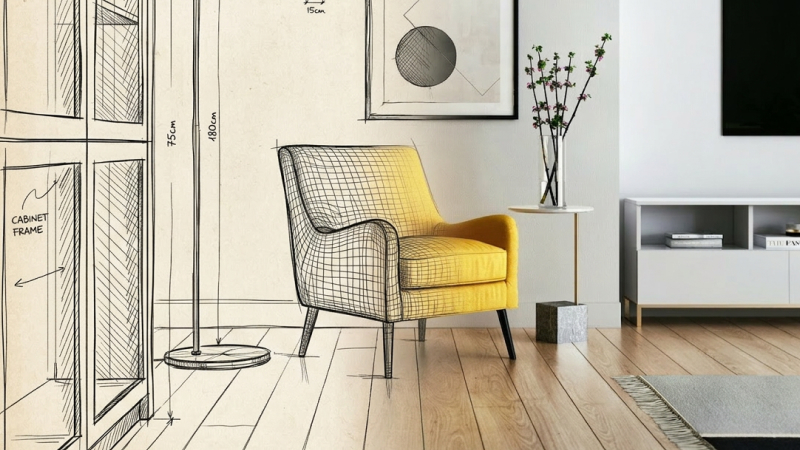
An empty room tells buyers almost nothing useful. It gives no sense of scale, no warmth, and no sense of how the space would function for their life. Empty rooms generate fewer enquiries, fewer viewings, and weaker offers. Traditionally, the only solution was expensive furniture hire. Virtual staging changed that entirely. This article explains what virtual staging actually is, how the AI technology behind it works, what it can and can't do, and how UK estate agents are using it right now to transform their vacant listings, and win more instructions.
What Is Virtual Staging?
The Core Concept
Virtual staging is the digital process of adding furniture, furnishings, and styling to property photographs using software, without any physical items being placed in the property.
The output is a realistic photograph of the property that appears fully furnished and styled, which is then used in property listings on platforms like Rightmove and Zoopla.
A few key distinctions are worth making upfront:
- Virtual staging works on photographs, not the physical property
- The actual property remains empty or as it is, buyers will see the real state when they visit
- The staged images are used specifically for marketing purposes
What Virtual Staging Looks Like
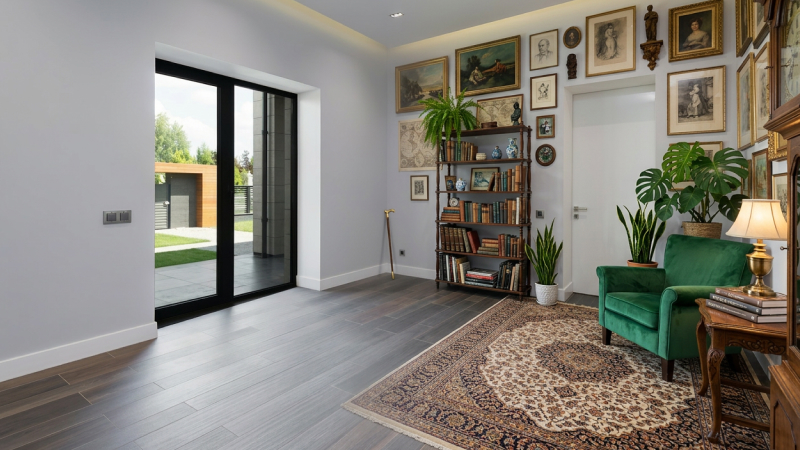
What buyers see is a listing photo that shows a living room with a sofa, coffee table, rug, artwork, and lighting, or a bedroom with a dressed bed, bedside tables, and curtains, rather than bare walls and bare floors. When done well, the result is indistinguishable from a photo taken in a physically furnished room.
How Does Virtual Staging Work?
Traditional CGI vs AI-Powered Virtual Staging
There are two approaches to virtual staging:
Traditional CGI/manual virtual staging: A graphic artist manually places 3D-rendered furniture into a photo using design software. This process takes several days, requires a skilled operator, and costs significantly more per image.
AI virtual staging: Machine learning models, trained on millions of property photographs and interior design images, analyse the room, understand the spatial geometry, lighting conditions, and surfaces, and then generate furniture and styling that fits naturally into the scene. The process is largely automated and takes minutes rather than days.
AI virtual staging has now reached a quality level where the results are consistently realistic and commercially usable in professional property listings.
What AI Virtual Staging Does to a Photograph
Here's what the AI is actually doing:
- Identifying floor, wall, ceiling and window surfaces in the photograph
- Understanding the light sources and shadow directions in the room
- Selecting furniture styles and scales appropriate to the room dimensions
- Rendering furniture with shadows and reflections that match the original photo's lighting
- Generating a seamless composite image that reads as a real photograph
This is why outputs from a platform like VirtualStagingExpert look realistic rather than pasted-in, the AI is doing genuine spatial reasoning, not just dropping PNG files onto a background.
What Can Virtual Staging Do?
Empty Rooms to Fully Furnished Spaces
The most common use case: a vacant property where rooms have been photographed empty. Virtual staging transforms these photos to show furnished, styled rooms, turning a listing that would otherwise struggle to generate interest into one that immediately communicates lifestyle potential.
This applies to:
- New build properties before furniture is moved in
- Probate or investment properties being cleared and sold vacant
- Rental properties between tenants
- Show homes and development units at the photography stage
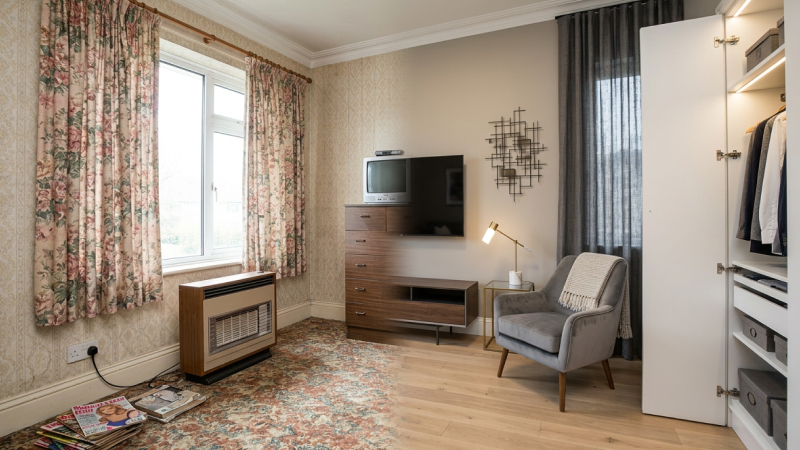
Decluttering Occupied Rooms
Virtual staging can also digitally remove furniture and clutter from occupied properties and replace it with cleaner, more neutral styling. This is useful when:
- A property has old or mismatched furniture that photographs poorly
- A room is overcrowded and difficult to style without significant disruption to the occupants
- The seller wants to show a different layout or style without physically rearranging
Style Variations
Most AI virtual staging tools allow the user to select a style direction (modern, contemporary, Scandi, traditional, etc.). This means the same empty room can be shown in multiple style treatments to test what resonates with the target buyer demographic.
What Virtual Staging Cannot Do
It Doesn't Change What Buyers See on Viewings
Virtual staging only applies to listing photographs. When buyers visit the property, they see it in its actual state. This means:
- If the property is empty, buyers will see an empty property
- Staged images must be clearly labelled to avoid misleading buyers
- The gap between the staged images and the physical reality needs to be managed carefully during viewings
Limitations on Heavily Cluttered or Low-Quality Photos
AI virtual staging works best with clean, well-lit, wide-angle photographs. Heavily cluttered rooms, very low-resolution images, or photos with extreme lens distortion will produce less convincing results. The quality of the input photograph directly affects the quality of the staged output.
It's Not a Substitute for Basic Property Preparation
Grubby walls, broken fixtures, or visible damage will still appear in virtually staged images. The AI stages the room but doesn't repair it. Basic cleaning and minor maintenance work is still worthwhile before photography.
Who Uses Virtual Staging in the UK?
Estate Agents with Vacant Listings
The primary users of virtual staging in UK property are estate agents handling vacant properties. Empty homes and investment properties consistently underperform in listing engagement, virtual staging directly addresses this without any physical intervention.
Property Developers and New Build Sales Teams
Developers use virtual staging to show finished units in a furnished state before buyers or tenants move in. This helps pre-sales and lettings campaigns launch effectively even when properties are still being completed.
Landlords and Letting Agents
In the competitive UK lettings market, a furnished-looking listing stands out from an empty one. Landlords and letting agents use virtual staging to present void properties in their best light, reducing the length of void periods.
Sellers Who Can't Afford Physical Staging
For private sellers where full physical staging is disproportionate to the budget, virtual staging on listing photos delivers the visual impact of staging at a fraction of the cost, typically a few pounds per image with tools like VirtualStagingExpert.
The Cost of Virtual Staging in the UK
What It Costs
AI virtual staging is significantly cheaper than traditional staging approaches:
- Physical staging: £1,500–£5,000+ for a vacant property
- Traditional CGI virtual staging: £50–£150 per image, with turnaround times of 2–5 days
- AI virtual staging: A typical property requires 3–4 staged listing photos, costs are a fraction of traditional methods, and results are ready in minutes
The Economics for Estate Agents
For estate agents recommending virtual staging to vendors, the cost-benefit argument is straightforward: the investment in staged listing photos is minor compared to the agency fee at stake. Properties that photograph better generate more enquiries, more viewings, and faster sales, which means faster commission.
FAQ
Is virtual staging the same as CGI property rendering?
No. CGI property rendering typically refers to architectural visualisations created from scratch, used before a building exists. Virtual staging works with existing photographs of a real property, applying AI-generated furniture digitally to the actual photo.
Can virtual staging make a small room look bigger?
Yes, to a degree. Furniture selection and placement in virtual staging can be optimised for visual space. However, virtual staging doesn't stretch or distort the room geometry; it works within the actual proportions of the photograph.
Is virtual staging misleading to buyers?
Only if it's not disclosed. UK property listings using virtually staged photos should label them as such. A virtually staged image shows a realistic interpretation of what the space could look like furnished, it is not intended to deceive buyers about the property's actual condition.
How long does virtual staging take?
With AI virtual staging through VirtualStagingExpert, results are ready in minutes. Traditional CGI-based virtual staging can take 2–5 working days.
Can I use virtual staging on Rightmove and Zoopla?
Yes. Both platforms accept virtually staged images, provided they are clearly labelled as digitally enhanced or virtually staged. Check each platform's specific image guidelines before listing.
Does virtual staging work for all room types?
AI virtual staging works best on living rooms, bedrooms, and open-plan spaces. Kitchens and bathrooms can be staged, but the results are more complex due to fixed fittings that already exist in the photograph.
Conclusion
Virtual staging is no longer a niche tool or an expensive CGI service, it is a practical, accessible option for any estate agent, landlord, or seller who wants professionally staged listing photos without the cost and logistics of physical staging. The AI technology behind modern virtual staging has matured to the point where results are realistic enough for professional use on Rightmove and Zoopla. For vacant properties in particular, it's one of the most effective marketing investments available. VirtualStagingExpert delivers staged results in minutes, making it the fastest way to go from empty room to market-ready listing photo.