Staging a home can make all the difference in today’s real estate market but can you do it yourself? Whether you're a real estate agent or a homeowner preparing to sell, the answer is yes, with the right tools and know-how, virtual staging is more accessible than ever. This guide explores the pros and cons of physical and virtual home staging, the prep work required, and how to get the best results whether you're listing a property yourself or working with a professional.
What Is Home Staging Or Physical Staging?
Home or Physical staging is the process of preparing and decorating a property to make it more appealing to potential buyers. The goal is to help buyers visualize themselves living in the space, thereby increasing the property’s perceived value and reducing time on market.
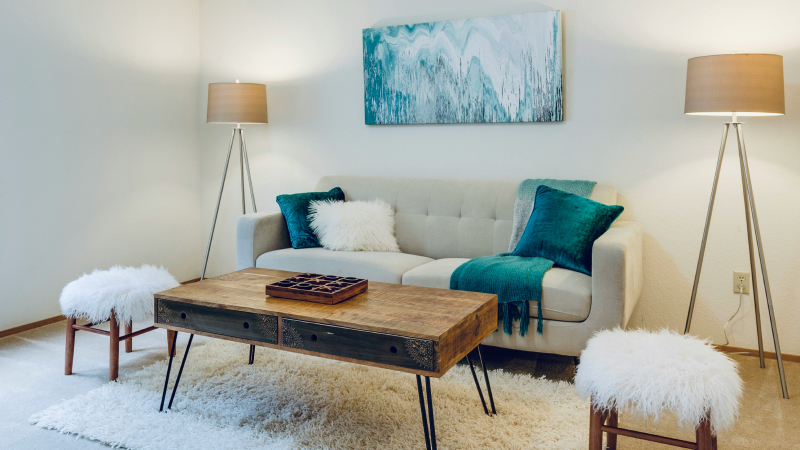
Physical home staging involves furnishing and decorating a property using real furniture, accessories, and decor. It’s commonly used for high-end listings or homes that are already empty.
Pros of Physical Home Staging
- Creates a tangible experience: Prospects and buyers can walk through the staged space.
- Emotional impact: Helps buyers emotionally connect with the home.
- Appeals to lifestyle aspirations: Decor can target specific demographics (e.g., young families, professionals).
Cons of Physical Home Staging
- High cost: Can range from $1,000 to over $5,000.
- Time-consuming: Booking furniture, scheduling movers, and setup takes time.
- Logistics-heavy: Requires storage, transportation, and coordination with staging companies.
What Is Virtual Staging?
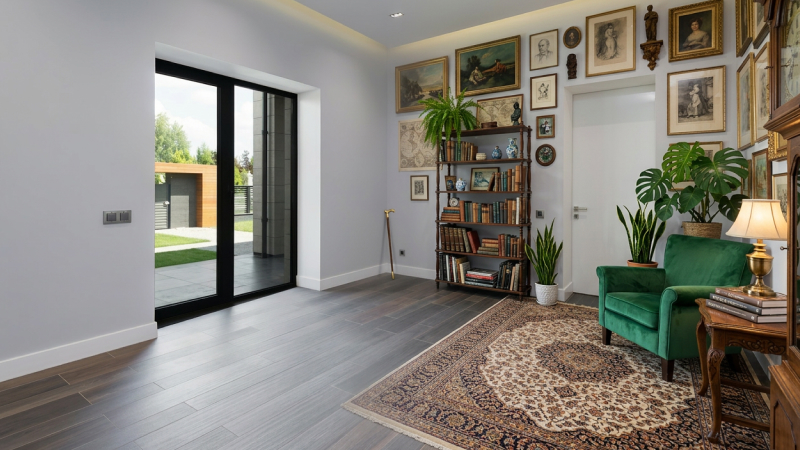
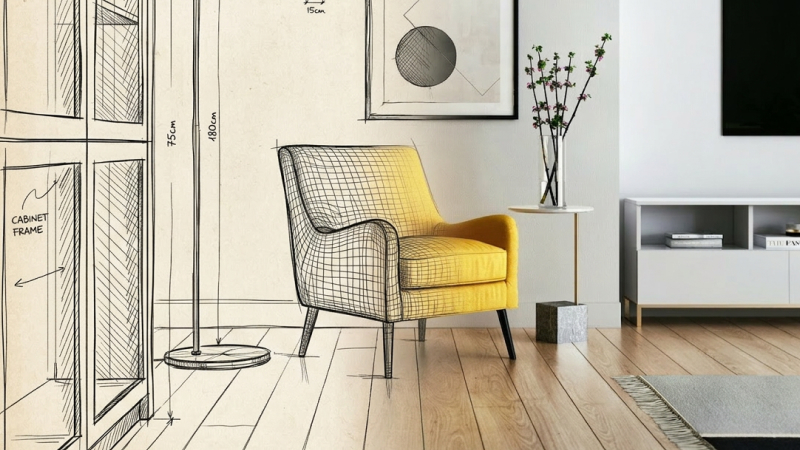
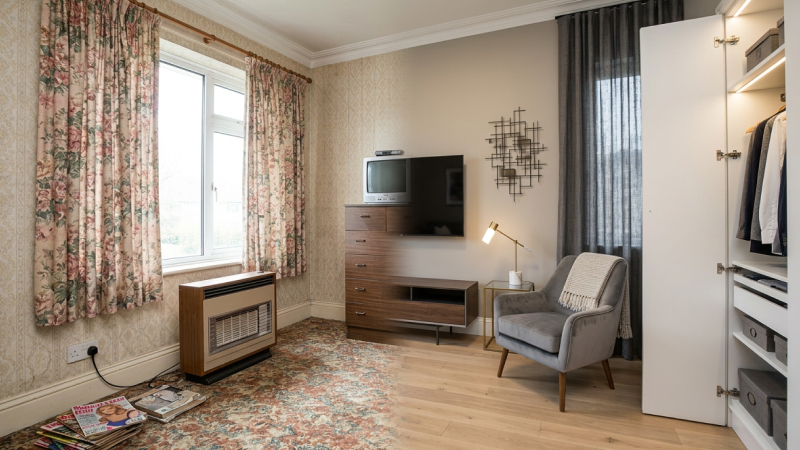
Virtual staging uses AI or digital design tools to place realistic furniture and decor into photos of empty rooms. You upload a clear photo of a space, select a design style (modern, traditional, Scandinavian, etc.), and receive a digitally staged image.
Pros of Virtual Home Staging
- Much more affordable: Starting as low as $20 per photo. That can be more than 100 times cheaper than physical staging.
- Quick delivery: Most services return images within a relatively short time from hours to seconds.
- Design flexibility: Easily switch between styles to match your buyer profile.
Cons of Virtual Home Staging
- Not walk-through ready: Buyers can’t experience the furniture in person.
- Relies on quality photos: Poor lighting or bad angles affect results.
Why Use Physical or Virtual Staging?
Whether you choose physical staging or virtual staging, both strategies serve one powerful purpose: to help buyers emotionally connect with the property. In today’s competitive real estate market, simply cleaning and photographing an empty room isn’t enough. Staging—real or virtual—creates a vision of how the space could look and feel, which drives stronger first impressions and faster offers.
Here are a few reasons why you should use staging at all:
- Makes Your Listing Stand Out Online: All home buyers used the internet to search for a home. Staged photos grab attention as buyers scroll past hundreds of properties.
- Helps Buyers Visualize Scale and Potential: Empty rooms often feel smaller and harder to interpret. Staging shows where furniture goes and how each area can function.
- Emotional Connection: When a buyer sees a warm, inviting living room or a serene bedroom, they start imagining themselves living there.
- Potential for Higher Offers Studies from the National Association of Realtors (NAR) show staged homes typically sell faster and for more money compared to unstaged homes.
- Flexibility for Different Budgets
- Physical staging is great if you want a tangible, walk-through-ready experience—especially for luxury listings.
- Virtual staging offers similar visual impact at a fraction of the cost, making it ideal for budget-conscious sellers, FSBO listings, or rental properties.
- Highlighting Design Potential
Virtual staging allows you to show multiple design styles (modern, farmhouse, Scandinavian) so buyers can pick the look that resonates with them.
In short, whether you hire a professional staging company or use an AI-powered virtual staging tool, investing in presentation is one of the smartest moves you can make to market your property successfully.
Preparing Your Home for Virtual or DIY Staging
Taking the Right Photos
- Use natural daylight: Avoid harsh shadows or nighttime shots.
- Declutter and clean: Empty rooms give the best results.
- Photograph from chest height: Gives a natural perspective.
Camera Angles and Equipment
- Use a wide-angle lens: Makes rooms look spacious.
- Avoid extreme angles: Shoot straight-on or at a 45° angle.
- Stabilize your shot: A tripod ensures sharp, clear images.
Virtual Staging: Self-Taken Photos vs. Professional Photography
Can I Use My Own Smartphone Photos?
Yes—but only if the lighting is good, the image is high-resolution, and the room is decluttered. DIY photos work best for casual listings or experimentation.
If you're taking photos by yourself, we've written a guide to taking great photos with your smartphone.
Benefits of Hiring a Professional Photographer
- Superior lighting and angles
- Higher image resolution
- More flattering room portrayal
Which Option is Best for Real Estate Listings?
If you're listing on MLS or Zillow, professional photos + virtual staging is ideal. DIY can work, but poor photo quality may hurt first impressions.
DIY Home Staging Tips for Sellers
If you're going the physical route, here are a few essentials:
- Depersonalize the space: Remove family photos and personal items.
- Neutral colors: Paint walls in beige, gray, or white.
- Open up space: Use minimal furniture to highlight room size.
- Highlight key areas: Focus on living rooms, kitchens, and master bedrooms.
Final Thoughts: Should You Stage a House Yourself?
Yes, you can stage a house yourself—especially with the help of virtual staging tools and smart photography. Whether you go the DIY route, use AI-powered digital staging, or invest in professional services, the key is presenting the home in its best light. In today’s housing market, quality staging—virtual or physical—can mean the difference between a quick sale and a long wait.
FAQs
- Is virtual staging allowed on the MLS?
Yes, but many MLS boards require that virtually staged photos be disclosed as such to avoid misleading buyers. - Do buyers trust virtually staged homes?
Yes, as long as it's transparent. Buyers use it to visualize space and often request in-person viewings afterward. - How much does DIY virtual staging cost?
Anywhere from $10 to $40 per photo, depending on the tool or service. - Can virtual staging be done with empty rooms?
Yes! Empty rooms are ideal for digital staging as there's no clutter or furniture to edit out. - What are common mistakes in DIY staging?
Poor lighting, overdecorating, and not staging key rooms like the living room or primary bedroom.